Understanding the Different Types of Car Services: From Basic to Full-Service Inspections

c

Maintaining a car is crucial to its durability, dependability, and safety as a vehicle owner. But a lot of automobile owners often don’t know what kinds of auto services are out there. The purpose of this page is to clarify the differences between the several automobile care packages that repair shops provide, what each one includes, and when it’s required.

Basic Service: The Crucial Examination

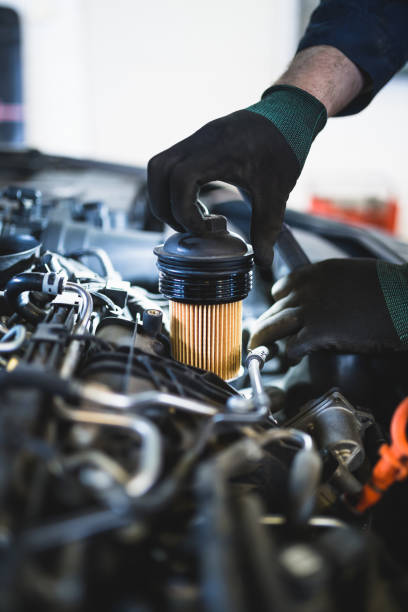
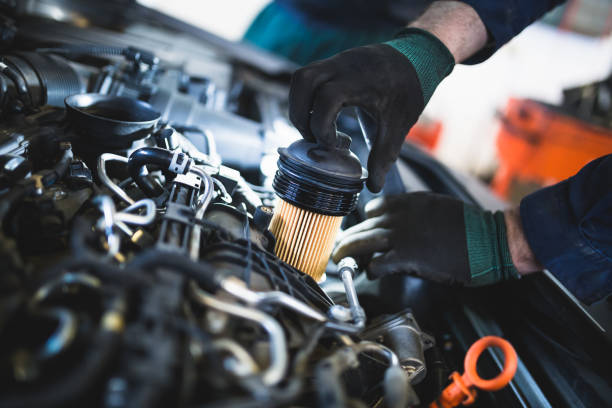
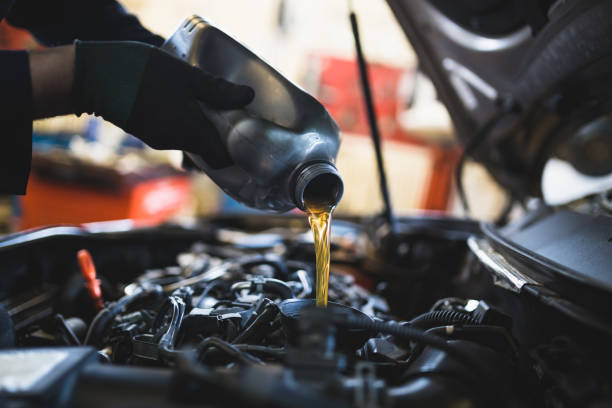
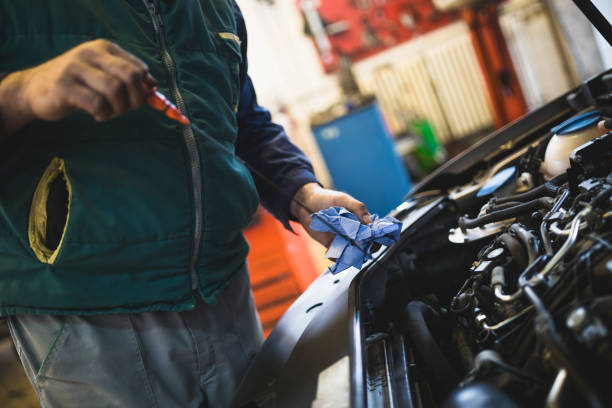
The first stage of auto maintenance is usually a basic service, which is intended for cars that are routinely driven and in excellent functioning order. An oil change, an oil filter replacement, and a general examination of important parts including fluid levels, tire pressure, and brakes are often included in this service. Basic maintenance should be done every 5,000 to 7,500 miles, depending on the make, model, and kind of oil the car is running. Maintaining engine health and identifying little problems before they become serious need this servicing.

Intermediate Service: Delving Further

The intermediate service is meant for cars that need a more extensive check and often comes after the basic service. All the components of a standard service by Auto Repair in Greenwood Village, CO are usually included in this package, plus extra tests and replacements. Replacement of the fuel and air filters as well as a more thorough examination of the car’s systems, including the suspension, steering, and exhaust, is typical components. Every 10,000 to 15,000 miles, or at any other basic service period, an intermediate service is advised to provide peace of mind and treat more substantial wear and tear.

Complete Service: All-Inclusive Medical Attention

A full-service plan includes a thorough and in-depth examination of the vehicle, going above and beyond the intermediate service. This service often includes everything included in the basic and intermediate packages in addition to thorough inspections of the radiator, batteries, belts, and hoses. In addition to tire rotation and brake check, a comprehensive service often includes a possible transmission or coolant cleanse.

Customized Services: Designed to Meet Your Needs

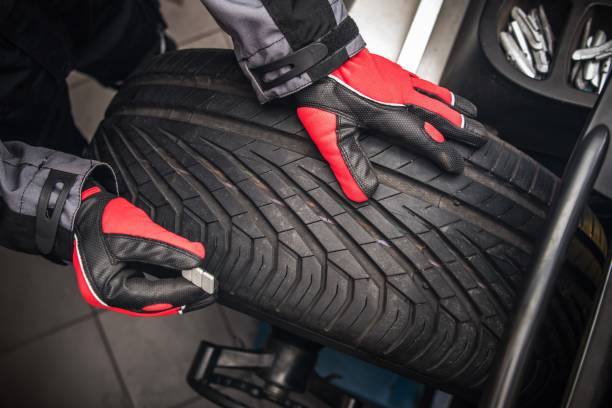
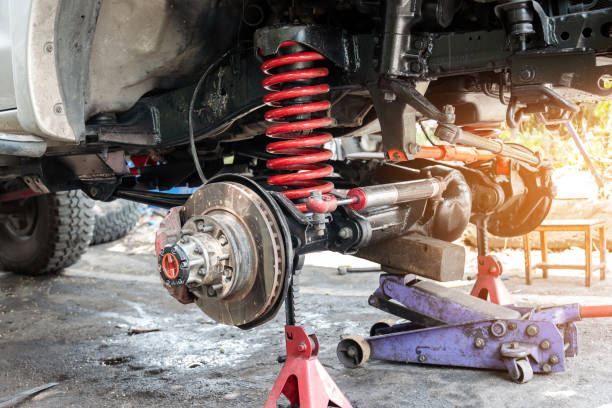
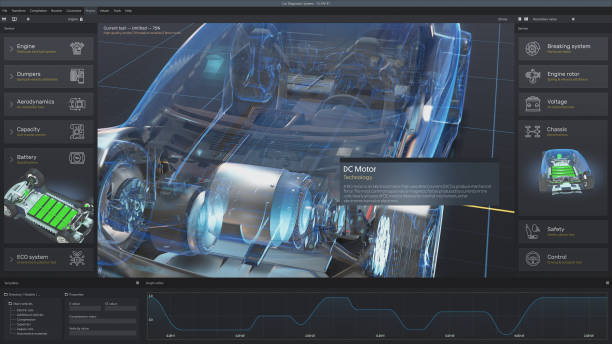
Many repair shops provide customized services that are catered to particular vehicle requirements in addition to the normal service packages. These might include brake maintenance (pads, discs, and fluid), transmission services (fluid exchange and filter change), and tire services (alignment, rotation, or replacement). A lot of contemporary automobiles, particularly electric and hybrid vehicles, could also need specialist services for their particular systems. These maintenance should be scheduled in accordance with manufacturer guidelines or abnormal performance since they are essential for maximizing both performance and safety.

When to Book Every Service

Car owners often struggle to decide when to schedule maintenance. It’s crucial to adhere to the manufacturer’s suggested servicing plan for regular maintenance. Intermediate services have to correspond with certain mileage or use targets, whilst basic services may be carried out more often.

Istockphoto 652659954 612x612 1
Istockphoto 652660162 612x612 1
Istockphoto 652660336 612x612 1
Istockphoto 652660470 612x612 1
Istockphoto 680096906 612x612 1
Istockphoto 680097056 612x612 1

Change the Oil and Filter

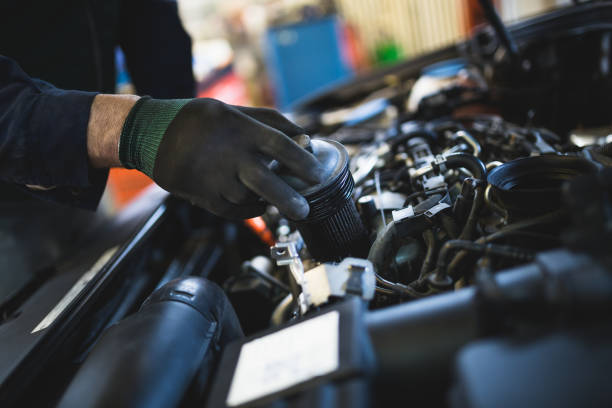
As a responsible car owner, it is crucial to change the oil and oil filter regularly to maintain the health of your engine. Fresh oil ensures proper lubrication and prevents harmful deposits from building up and damaging your engine over time. The general rule of thumb is to change the oil every 5,000 to 7,500 miles, but it’s always best to consult your car’s manual to determine the recommended intervals.

When changing the oil, it’s essential to replace the oil filter to ensure the oil is clean and free of debris. The oil filter traps dirt and contaminants, preventing them from circulating back into the engine. Neglecting the oil filter can cause it to become clogged and restrict oil flow, leading to engine damage.

Regular maintenance of your oil and oil filter can significantly extend the life of your engine and improve fuel efficiency. By taking care of your car’s oil and oil filter, you can avoid costly repairs and keep your car running smoothly for years to come.

Istockphoto 1349412680 612x612 1
Istockphoto 1227609881 612x612 1
Istockphoto 1230196391 612x612 2
Istockphoto 1090459680 612x612 1
Istockphoto 1029218760 612x612 1
Istockphoto 952760194 612x612 1

The Science Behind Wheel Balancing and Alignment: Ensuring Optimal Vehicle Performance

Wheel balancing and alignment are essential maintenance procedures that every vehicle owner should prioritize to ensure optimal performance, safety, and longevity. These processes play a critical role in enhancing the vehicle’s handling, ride comfort, and tire life. In this article, we will delve into the science behind wheel balancing and alignment, explaining the importance of these procedures and how they contribute to a smooth and enjoyable driving experience.

Wheel Balancing: The Basics

Wheel balancing is a process that involves equalizing the weight distribution of the tire and wheel assembly to ensure that it rotates smoothly at high speeds. An imbalance in the assembly can cause vibrations, which not only lead to discomfort for the driver and passengers but also result in premature tire wear and potential damage to suspension components.

How Wheel Balancing Works

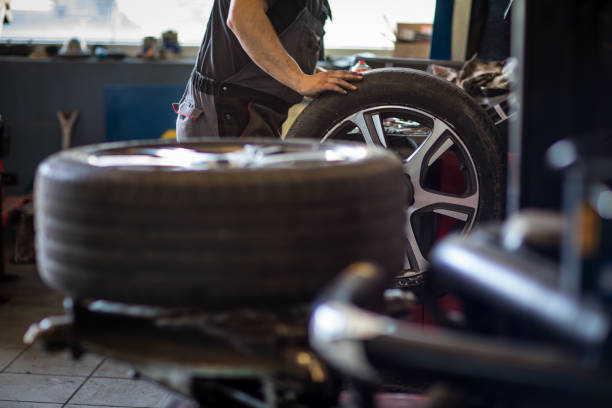
When a new tire is mounted onto a wheel, there may be slight weight discrepancies between different parts of the assembly. These imbalances can lead to vibrations as the tire rotates at high speeds. To correct these imbalances, a technician will mount the tire and wheel assembly onto a balancing machine, which will spin the assembly to identify the heavier and lighter areas.

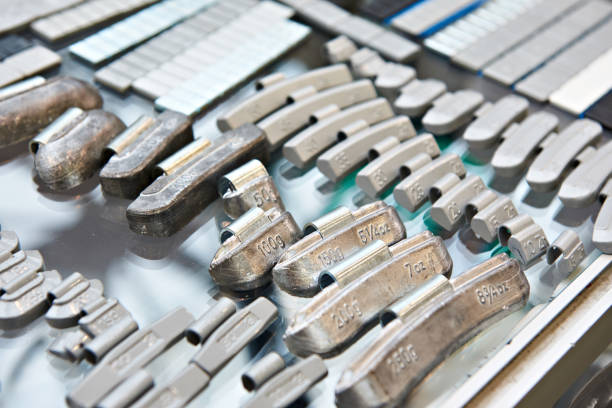
Once the imbalance is detected, the technician will attach small weights to the rim, counteracting the heavier areas and equalizing the weight distribution. These weights can be attached using adhesive or clips, depending on the wheel design. The process is typically performed for all four wheels to ensure smooth vehicle operation.

The Importance of Wheel Balancing

  1. Enhanced Ride Comfort: Properly balanced wheels minimize vibrations, leading to a smoother and more comfortable ride for drivers and passengers.
  2. Improved Tire Life: Imbalances in the wheel assembly can cause irregular tire wear, reducing their lifespan. Wheel balancing helps to ensure even tire wear, prolonging their life and saving you money in the long run.
  3. Reduced Suspension Stress: Excessive vibrations from unbalanced wheels can put additional strain on suspension components, leading to premature wear and potential damage. Wheel balancing minimizes vibrations, preserving the integrity of your vehicle’s suspension system.

Wheel Alignment: The Basics

Wheel alignment is the process of adjusting the angles of a vehicle’s wheels to the manufacturer’s specifications, ensuring that they are parallel to each other and perpendicular to the ground. Proper wheel alignment is crucial for maintaining optimal handling, tire wear, and fuel efficiency.

There are three primary wheel alignment angles that technicians focus on during the alignment process:

  1. Camber: This is the inward or outward tilt of the wheels when viewed from the front of the vehicle. Negative camber indicates that the top of the wheel is tilted inward, while positive camber shows that the top is tilted outward. Improper camber can lead to uneven tire wear and poor handling.
  2. Toe: This refers to the inward or outward angle of the wheels when viewed from above. If the wheels point inward, it is called toe-in; if they point outward, it is toe-out. Incorrect toe settings can cause rapid tire wear and negatively affect vehicle handling.
  3. Caster: This is the angle of the steering axis when viewed from the side of the vehicle. Positive caster indicates that the steering axis is tilted toward the rear of the vehicle, while negative caster shows that it is tilted toward the front. Proper caster settings contribute to vehicle stability and steering response.

How Wheel Alignment Works

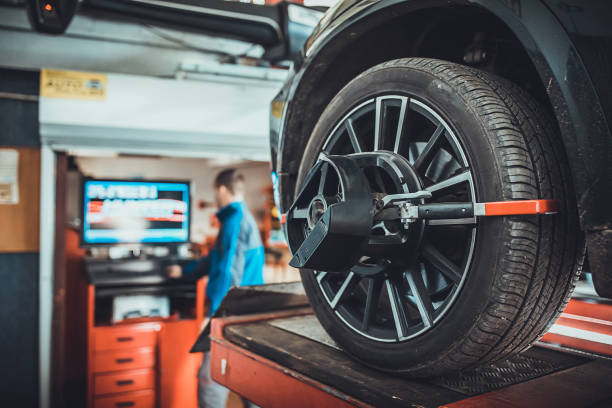
During a wheel alignment, a technician will place the vehicle on an alignment rack and attach sensors to each wheel. These sensors communicate with a computer, providing real-time measurements of the vehicle’s alignment angles. The technician will then adjust the suspension components according to the manufacturer’s specifications, ensuring that the wheels are properly aligned.

The Importance of Wheel Alignment

  1. Optimal Handling: Properly aligned wheels contribute to precise steering response and vehicle stability, ensuring a safer and more enjoyable driving experience.
  2. Improved Tire Life: Incorrect wheel alignment can cause uneven and premature tire wear, which reduces the lifespan of your tires. Regular alignment checks and adjustments can help ensure even tire wear and prolong their life.
  3. Enhanced Fuel Efficiency: Misaligned wheels can increase rolling resistance, leading to higher fuel consumption. Proper wheel alignment can improve fuel efficiency by reducing rolling resistance and optimizing the vehicle’s overall performance.
  4. Reduced Suspension and Steering Component Wear: Misaligned wheels can put extra strain on suspension and steering components, leading to premature wear and potential damage. Regular wheel alignment can help maintain the integrity of these components and prevent costly repairs.

The Relationship Between Wheel Balancing and Alignment

While wheel balancing and alignment are separate procedures, they both contribute to the overall performance, safety, and comfort of your vehicle. Both processes are crucial for ensuring that your tires wear evenly and that your vehicle handles as intended. It is essential to have both wheel balancing and alignment checked and adjusted as part of your vehicle’s regular maintenance schedule.

How Often Should You Balance and Align Your Wheels?

It is generally recommended that you have your wheels balanced and aligned every 12,000 to 15,000 miles or once a year, whichever comes first. However, it’s essential to consult your vehicle owner’s manual for specific recommendations based on your make and model. Additionally, you should have your wheels balanced and aligned whenever you install new tires or notice any signs of irregular tire wear, vibrations, or handling issues.

The science behind wheel balancing and alignment is essential for maintaining the performance, safety, and comfort of your vehicle. Both procedures play a critical role in ensuring even tire wear, optimal handling, and fuel efficiency. By understanding the importance of wheel balancing and alignment and adhering to a regular maintenance schedule, you can help prolong the life of your tires, suspension components, and steering system, ensuring a smooth and enjoyable driving experience.

 
Istockphoto 1175715723 612x612 1
Istockphoto 1224337731 612x612 1
Istockphoto 532276856 612x612 1
Istockphoto 2149638854 612x612 1
Istockphoto 2169179519 612x612 1
Istockphoto 1133578880 612x612 1

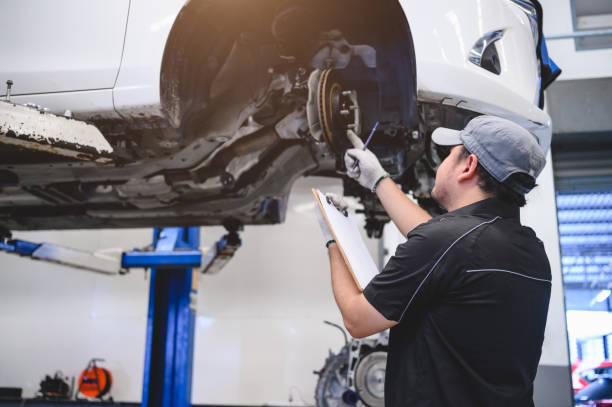
Ensuring your vehicle’s brakes are in optimal condition is crucial for your safety on the road. Brake service is a routine maintenance task that involves inspecting, repairing, and replacing components to maintain the effectiveness and reliability of your brakes. In this guide, we’ll delve into what brake service includes, why it’s essential, and what to expect during the process.

Importance of Brake Service

  • Safety: Properly functioning brakes are critical for stopping your vehicle safely and quickly, especially in emergency situations.
  • Performance: Regular brake service ensures smooth braking and optimal performance, preventing issues like brake fade or loss of stopping power.
  • Longevity: Maintaining your brakes prolongs the lifespan of brake components and prevents costly repairs down the line.

Signs Your Brakes Need Service

  • Squealing or grinding noises when braking
  • Vibrations or pulsations felt through the brake pedal
  • Longer stopping distances
  • Brake warning light illuminated on the dashboard
  • Spongy or soft brake pedal feel
  • Uneven wear on brake pads or discs

Components Checked and Serviced

  • Brake Pads: Inspected for wear and replaced if necessary.
  • Brake Discs/Rotors: Checked for warping, scoring, or uneven wear. Machining or replacement may be required.
  • Brake Calipers: Inspected for leaks, corrosion, and proper functioning. Replaced if damaged or worn.
  • Brake Lines: Checked for leaks, corrosion, and damage. Replaced if necessary.
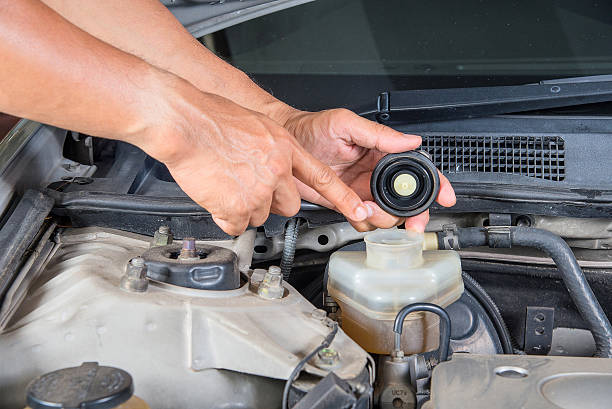
  • Brake Fluid: Inspected for contamination, moisture, and proper levels. Flushed and replaced if needed.
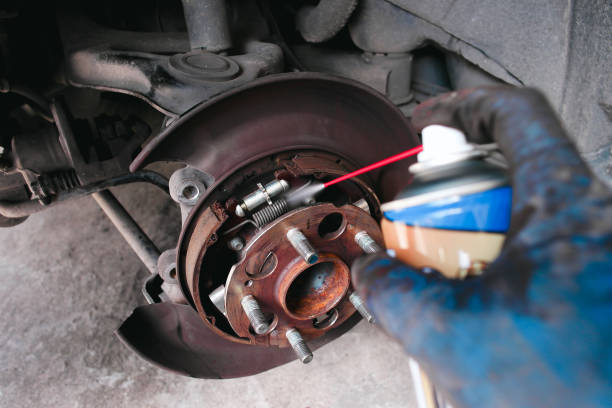
  • Brake Hardware: Lubricated and inspected for proper operation.
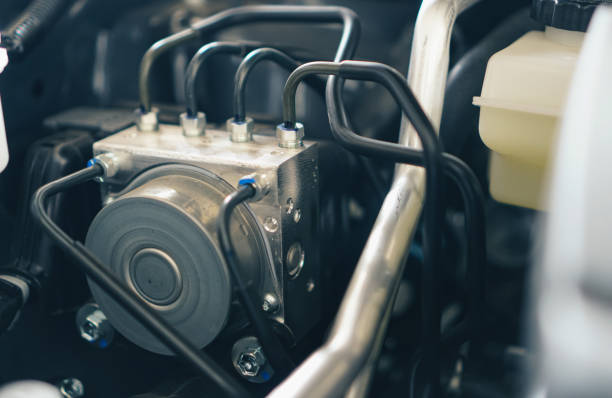
  • Brake System: Checked for leaks, proper hydraulic pressure, and functionality.

The Procedure

  • Inspection: A visual and sometimes mechanical inspection of brake components to assess their condition.
  • Replacement: Worn or damaged components are replaced with new ones, such as brake pads, discs, or callipers.
  • Adjustment: Brake callipers, pads, and other components may be adjusted to ensure proper operation and alignment.
  • Testing: The brake system is tested for effectiveness, noise, and overall performance to ensure everything functions correctly.
  • Maintenance: Recommendations for ongoing maintenance and care may be provided to keep the brakes in top condition.

Frequency of Brake Service

  • Brake service intervals vary depending on driving habits, vehicle type, and manufacturer recommendations.
  • As a general guideline, brakes should be inspected at least once a year or every 12,000 to 15,000 miles.

DIY vs. Professional Brake Service

While some basic brake maintenance tasks can be performed at home, such as changing brake pads, a professional brake service ensures thorough inspection and proper diagnosis of any underlying issues.

DIY attempts without proper knowledge and tools can lead to safety hazards and costly mistakes.

Brake service is a vital aspect of vehicle maintenance that ensures the safety, performance, and longevity of your vehicle’s braking system. By understanding what’s involved in brake service, recognizing signs of brake wear, and adhering to recommended maintenance intervals, you can keep your brakes in top condition and enjoy peace of mind on the road.

Istockphoto 1220306180 612x612 1
Istockphoto 1783682415 612x612 1
Istockphoto 1783697047 612x612 1
Istockphoto 1367581808 612x612 1
Istockphoto 1288354642 612x612 1
Scroll to Top